Dish guides
Japanese dishes explained
Japanese menus are often written in kanji, hiragana and katakana with no English, and many restaurants specialise in a single dish: a ramen shop, a tonkatsu restaurant, an okonomiyaki grill. These guides give each dish's name in Japanese script and romaji, explain what you'll get and list the allergens to ask about, starting with the ones that hide in stocks and sauces.
All guides
-
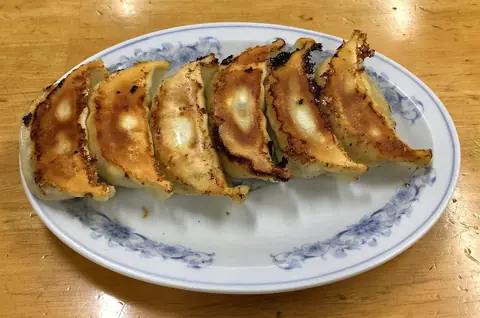 Gyoza餃子Japanese pan-fried dumplings of pork, cabbage and garlic in thin wheat wrappers.
-
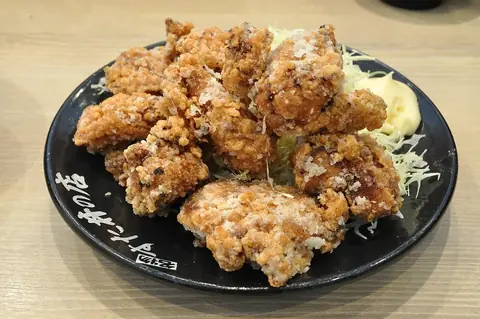 Karaage唐揚げJapanese fried chicken, marinated in soy, sake and ginger and coated in starch.
-
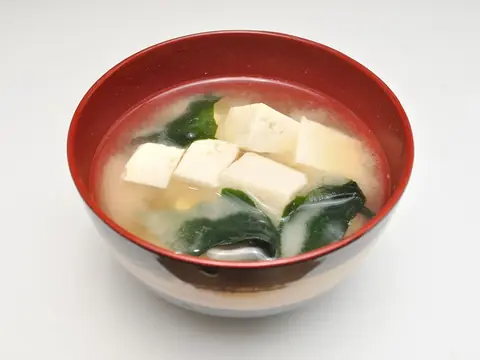 Miso soup味噌汁Fermented soybean paste dissolved in dashi stock, with tofu, wakame and spring onion.
-
 Okonomiyakiお好み焼きSavoury Japanese pancake of cabbage and batter with pork or seafood, cooked on a griddle.
-
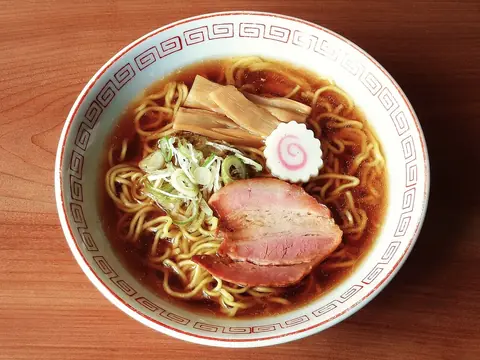 RamenラーメンJapanese noodle soup of wheat noodles in a soy, salt, miso or pork-bone broth.
-
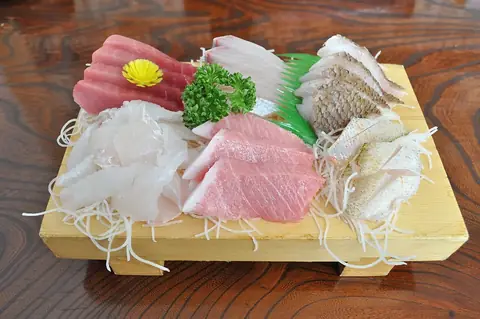 Sashimi刺身Sliced raw fish or seafood without rice, served with soy sauce, wasabi and daikon.
-
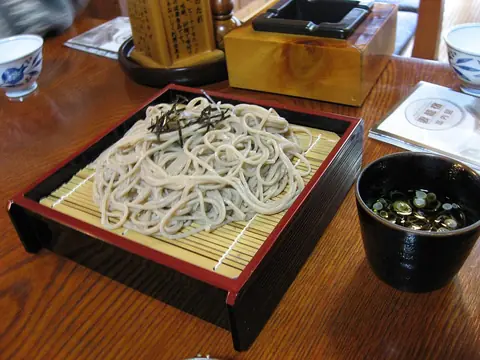 SobaそばJapanese buckwheat noodles, cold with dipping sauce or hot in broth.
-
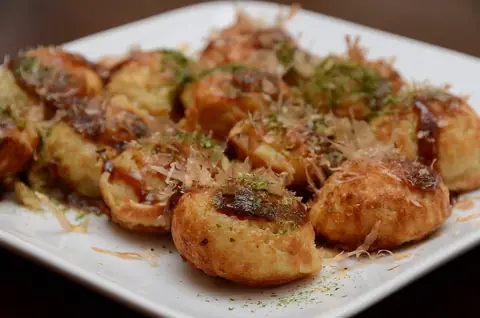 Takoyakiたこ焼きOsaka street-food balls of batter with octopus inside, topped with sauce, mayonnaise and bonito flakes.
-
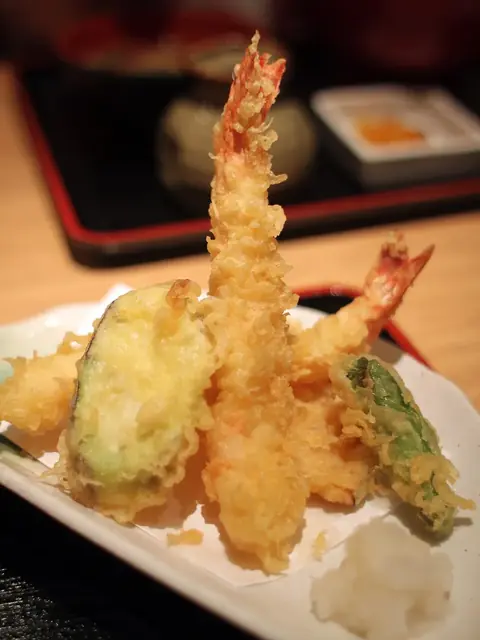 Tempura天ぷらJapanese seafood and vegetables in a light, crisp batter, served with a dashi dipping sauce or salt.
-
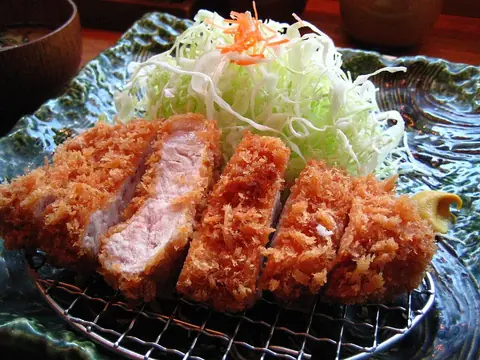 TonkatsuとんかつJapanese pork cutlet in panko breadcrumbs, deep-fried and served with cabbage and a thick sauce.
-
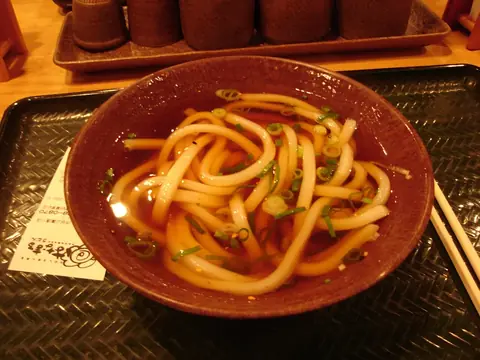 UdonうどんThick Japanese wheat noodles in a hot dashi broth or served cold with a dipping sauce.
Allergens to keep in mind
Dashi stock is usually made with bonito flakes, so fish can hide in soups, noodle broths and sauces. Soy sauce typically contains wheat as well as soy, and many noodles, batters and breadcrumbs are wheat-based. Sesame is a common garnish and oil, and soba noodles are made with buckwheat, a serious allergen in Japan; noodle shops often boil udon in the same water as soba. Common brands of okonomiyaki and takoyaki sauce also contain oyster and meat extracts. Recipes vary, so always ask if you have an allergy.